HARIANEXPRESS – High blood sugar, known medically as hyperglycemia, frequently develops without dramatic, easily recognizable symptoms. Its initial signs can be subtle and often get mistaken for ordinary complaints or daily stresses, leading many to overlook a potentially serious health issue. If left unaddressed, this condition can escalate the risk of developing diabetes mellitus and various other health complications.
Recognizing these quiet indicators early is crucial for effective management and preventing long-term damage to vital body systems. Being aware of these subtle changes allows individuals to take prompt action before the condition worsens.
Understanding the Subtle Warnings of High Blood Sugar
Early identification of hyperglycemia is key to maintaining overall health. Here are six signs of high blood sugar that people often miss.
1. Increased Thirst and Frequent Urination
Feeling unusually thirsty even after drinking water is a primary early indicator of high blood sugar. The body attempts to eliminate excess sugar through urine, a process that draws fluid from tissues and leads to dehydration and intense thirst. Consequently, an increased need to urinate, especially during the night, often accompanies this thirst as the kidneys work harder to filter out extra glucose.
2. Persistent Fatigue
A constant sense of exhaustion that doesn’t improve with rest can signal high blood sugar. Despite abundant sugar in the bloodstream, cells cannot access it for energy if insulin function is impaired. This results in a profound and lingering feeling of tiredness.
3. Blurred Vision
High glucose levels can cause the lenses of the eyes to swell, temporarily altering your ability to focus and leading to blurry vision. This visual disturbance often fluctuates and may serve as an important warning sign.
4. Slow-Healing Wounds and Frequent Infections
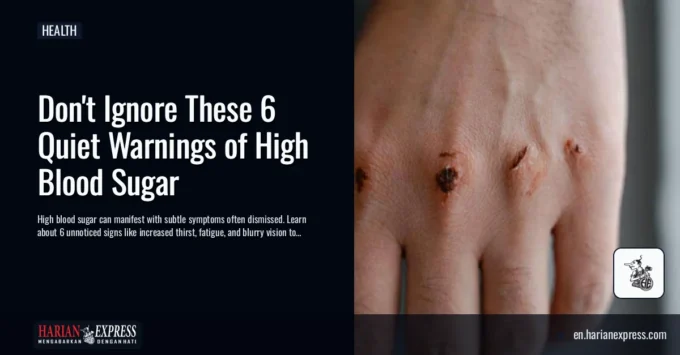
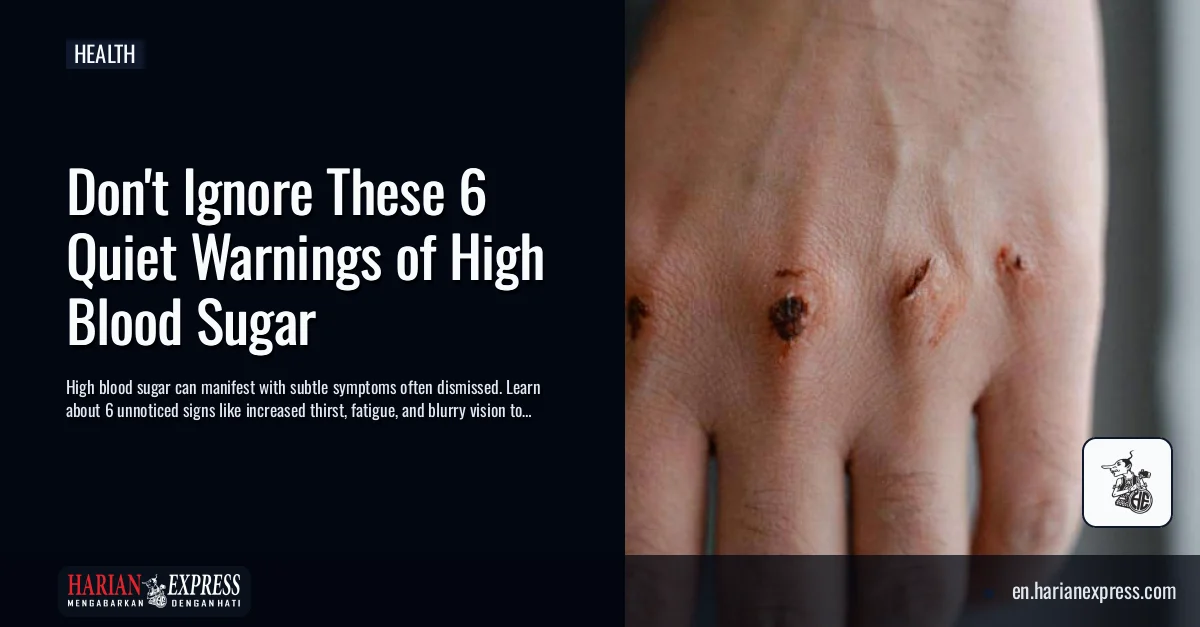
Hyperglycemia can impair the body’s circulation and natural immune response. Even minor cuts, scrapes, or bruises might take an unusually long time to heal. This compromised immunity can also lead to more frequent infections.
5. Tingling or Numbness
Experiencing a tingling sensation or numbness, often described as ‘pins and needles,’ in the hands and feet can be a sign of peripheral neuropathy. Over time, elevated sugar levels can damage the protective coating of nerves, causing these sensations.
6. Unexplained Weight Loss and Increased Hunger
Despite feeling hungry more often and potentially eating more, some individuals with high blood sugar may experience unexplained weight loss. This occurs because the body struggles to convert excess blood sugar into energy for cells, prompting cells to signal hunger while the body simultaneously breaks down fat and muscle for fuel.
Being attentive to these subtle bodily changes can empower individuals to seek medical advice promptly. Early consultation with a healthcare professional can lead to a timely diagnosis and appropriate management, helping to prevent more severe health complications associated with high blood sugar.