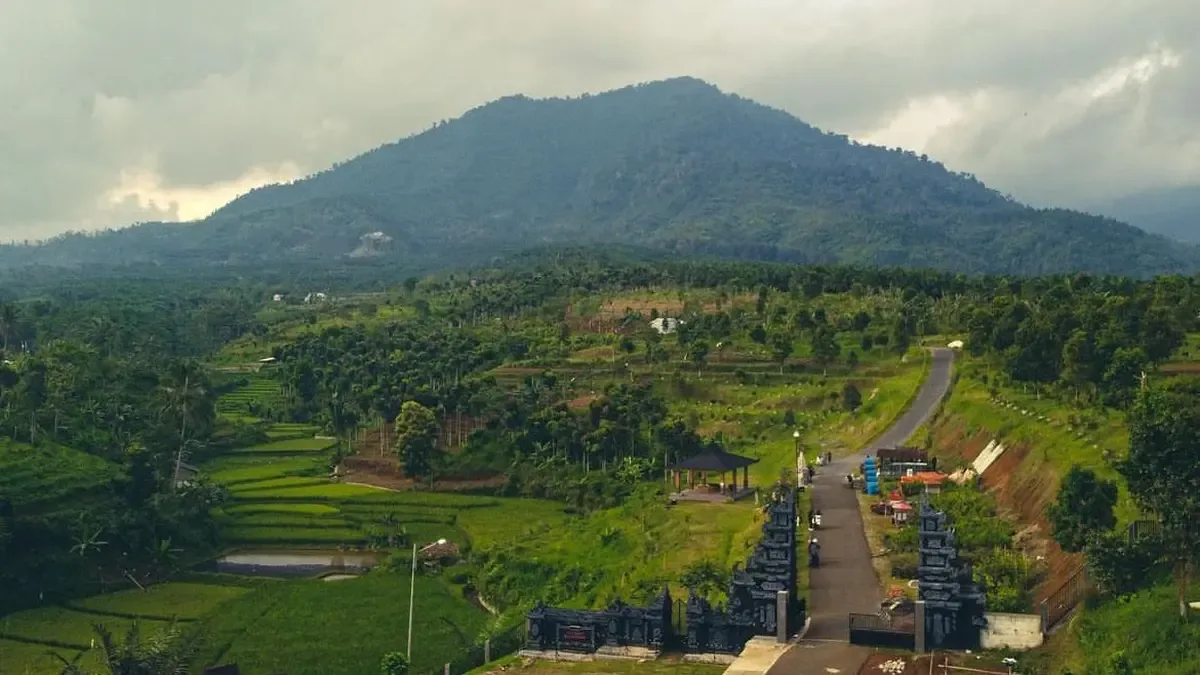

HARIANEXPRESS – highlights that despite their perceived ease, short trips to natural destinations demand thorough preparation for a smooth and responsible experience.
It is crucial to consider factors such as weather, physical condition, accessibility, area capacity, safety aspects, waste management, and benefits for local communities. These considerations aim to ensure an enjoyable trip without posing unnecessary risks.
Meticulous planning is essential for brief journeys to natural areas, even if they seem close and limited in time. Natural regions often feature narrow roads, uphill trails, rapidly changing weather, limited signal, and infrequent public transportation.
Proper preparation is vital to prevent the trip from escalating into a risky situation. Travelers are advised to check routes, travel times, vehicle condition, operating hours, entry rules, and weather forecasts.
Always allocate buffer time to avoid forcing travel in darkness or deteriorating conditions. It is important to re-verify the latest information from local management or government agencies before departure, as road conditions, weather, and services can change unexpectedly.
Choose activities that align with the health, experience, and equipment of every group member. Activities like forest walks, hill climbing, swimming, diving, and camping carry varying levels of risk.
Activities requiring a guide or specialized equipment should not be undertaken independently to save costs. Local guides can provide invaluable insights into routes, weather conditions, area regulations, and unseen risks.
Natural destinations possess limited carrying capacity, meaning excessive visitors can increase waste and damage trails. Overcrowding can also disturb wildlife and strain water resources.
Adhere to reservation systems, visitor limits, one-way paths, or temporary closures that may be enforced. Tourists should never seek illegal routes when official quotas are full.
Unofficial trails risk getting lost, damaging vegetation, and complicating emergency rescue efforts. It is paramount to carry all trash, including food packaging, bottles, and cigarette butts, back out to prevent environmental contamination.
Local communities are not merely a backdrop for tourism. Respect local dress codes, territorial boundaries, photography permissions, and the activities of residents, as many natural destinations are near settlements or customary areas.
The desire for photographs should never compromise safety; avoid standing on cliff edges or entering hazardous zones. Drone usage also requires careful consideration of regulations, privacy, flight safety, and potential disturbance to wildlife.
Even short trips necessitate an emergency plan. Groups should inform family members about their destination, route, and estimated return time.
Prepare essential items such as a phone, power bank, personal medication, drinking water, food, weather-appropriate clothing, and emergency contact numbers. Keep contacts for destination management, health facilities, and emergency services readily available.
Group members should also know designated meeting points and actions to take if separated or communication networks fail. Travel plans must include options for cancellation or alteration if weather, health, or trail conditions become unfavorable.
Upon returning home, travelers can evaluate aspects of their trip like waste management, water usage, and interactions with local residents. Destination managers can further support responsible tourism through information boards, clear pathways, waste collection points, basic facilities, and assistance numbers.
Honest reviews serve as a basis for improving future journeys, including selecting appropriate gear and reducing activities that burden nature. Regular evaluation of safety and area carrying capacity is also crucial to ensure that increased visitation does not diminish environmental quality.