
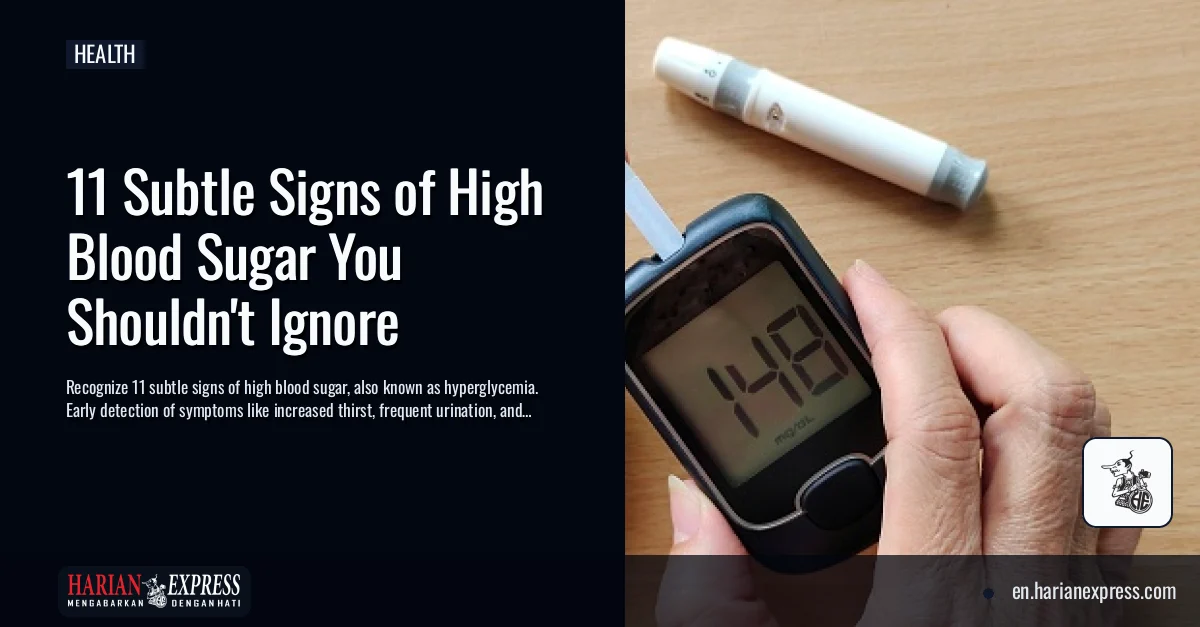
HARIANEXPRESS – High blood sugar, medically known as hyperglycemia, often develops gradually and may not present with obvious symptoms initially. Many individuals might overlook these subtle changes until their blood glucose levels become significantly elevated. Recognizing these early bodily warnings is crucial for preventing more serious health complications.
Understanding the Warning Signs of High Blood Sugar
Hyperglycemia is a condition where there is an excessive amount of glucose in your bloodstream. This occurs when the body either fails to produce sufficient insulin, as is common in type 1 diabetes, or cannot effectively utilize the insulin it produces, which typically happens in prediabetes and type 2 diabetes.
1. Frequent Urination (Polyuria)
One of the first signs of elevated blood sugar is an increased need to urinate, even waking up multiple times during the night. The kidneys are forced to work harder to filter and excrete the excess glucose through urine, leading to significant fluid loss.
2. Increased Thirst (Polydipsia)
Excessive urination naturally leads to dehydration, prompting the body to signal for more fluids. This results in a persistent feeling of thirst that doesn’t subside even after drinking a lot of water.
3. Fatigue and Weakness
Feeling unusually tired or weak without a clear reason is a common symptom of high blood sugar. When cells cannot properly use glucose for energy due to inadequate insulin or insulin resistance, the body experiences a continuous lack of usable energy.
4. Blurred Vision
High blood sugar can temporarily affect your vision, causing it to become blurry. This happens because excess glucose can cause the lens in your eye to swell, impairing its ability to focus clearly.
5. Increased Hunger (Polyphagia)
Despite consuming food, individuals with high blood sugar may experience constant hunger. This is because cells are not receiving enough glucose for energy, which triggers hunger signals from the brain.
6. Slow-Healing Cuts and Wounds
Minor cuts or wounds that take an unusually long time to heal can be an indication of elevated blood sugar. High blood sugar can negatively impact blood circulation, damage nerves, and weaken immune function, all of which impede the body’s natural healing process.
7. Unexplained Weight Loss
Even with an increased appetite, some people may experience weight loss that cannot be explained. This occurs when the body cannot effectively use glucose for energy and begins breaking down fat and muscle instead.
8. Headaches
Frequent headaches can also be a symptom associated with high blood sugar. Dehydration, often a result of excessive urination, can contribute to the onset of these headaches.
9. Skin Problems and Infections
Changes in skin, such as discoloration, itching, infections, or blisters, might signal high blood sugar levels. An abundance of glucose creates an environment favorable for certain microorganisms, leading to more frequent infections, including yeast infections.
10. Numbness or Tingling in Hands and Feet
Over time, persistently high blood sugar can cause nerve damage, a condition known as diabetic neuropathy. Early symptoms often include sensations of tingling, burning, or numbness in the extremities.
11. Slow Body Movement or Sluggishness
A general feeling of slow body movement or overall sluggishness can also serve as a warning sign. This symptom is consistent with the widespread fatigue experienced when the body’s cells are deprived of energy from glucose.
If you experience any of these symptoms persistently, it is important to consult a healthcare professional for proper evaluation. Early detection and effective management are vital steps in preventing serious health complications linked to high blood sugar levels.