HARIANEXPRESS – The Lovina Festival 2026 officially concluded in Buleleng, Bali, after successfully running for five days from July 24-28, 2026. This event, themed “Theatre of Dolphins,” attracted approximately 30,000 visitors and recorded total transactions reaching around Rp 746.7 million.
Lovina Festival 2026 Concludes with Significant Economic Impact
The festival served as more than just an entertainment agenda, according to Buleleng Regent I Nyoman Sutjidra. It acted as a crucial promotional platform for tourism in North Bali.
“This festival demonstrates that Buleleng has great potential to continue developing as a leading tourist destination that prioritizes cultural richness and natural beauty. This is the face of North Bali that we want to introduce to the world,” Sutjidra stated during the closing ceremony at Binaria Beach, Lovina, on Tuesday, July 28, 2026, evening.
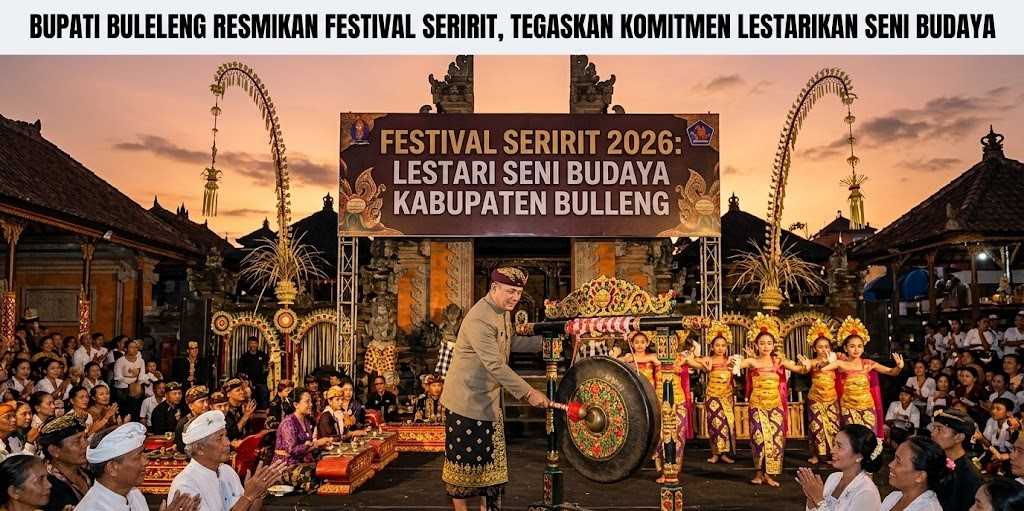
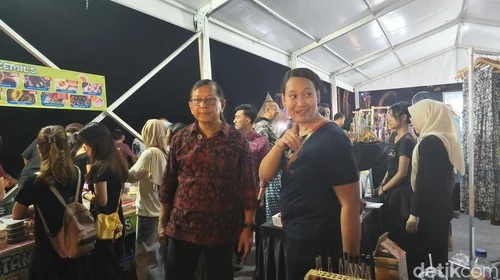
Throughout its five-day run, the event showcased a variety of cultural and artistic attractions, musical performances, UMKM exhibitions, and tourism activities. These offerings aimed to provide a memorable experience for both domestic and international tourists.
Festival Highlights and Participant Contributions
Regent Sutjidra expressed his appreciation to all parties involved in organizing the festival. He hoped the Lovina Festival would continue to grow into an icon for North Bali tourism, competing nationally and internationally.
“The spirit of togetherness built during the festival is expected to become new energy to continue advancing tourism, preserving culture, and improving the welfare of the Buleleng community sustainably,” Sutjidra added.
Putu Ayu Reika Nurhaeni, Chairperson of the Lovina Festival 2026 Committee, provided details on the event’s scale. The festival involved 250 artists, 44 communities, and 82 UMKM booths, supported by 30 partners and sponsors.
The committee chair also revealed the substantial financial success of the small and medium enterprises. “The transaction value at 82 UMKM booths during the festival reached Rp 746.788.000,” Reika confirmed.
Strategic Staging and Economic Boost
This year’s festival featured two distinct stage segments to cater to different audiences. The Tasik Madu Stage, active from July 24-26, specifically targeted international visitors.
Conversely, the Binaria Stage from July 26-28 focused on attracting domestic tourists. This dual-stage approach aimed to enhance tourist stays in the Lovina area.
Reika claimed that this concept successfully boosted various local sectors, including hotels, restaurants, transportation, UMKM, and creative economy players in the region. The Buleleng Regency Government is also adopting a new method to assess the festival’s economic impact.
This approach involves categorizing tourist data by tourism industry and local UMKM, which will inform the development of more targeted and measurable tourism policies. The goal is to ensure broader community benefits from future festival implementations.