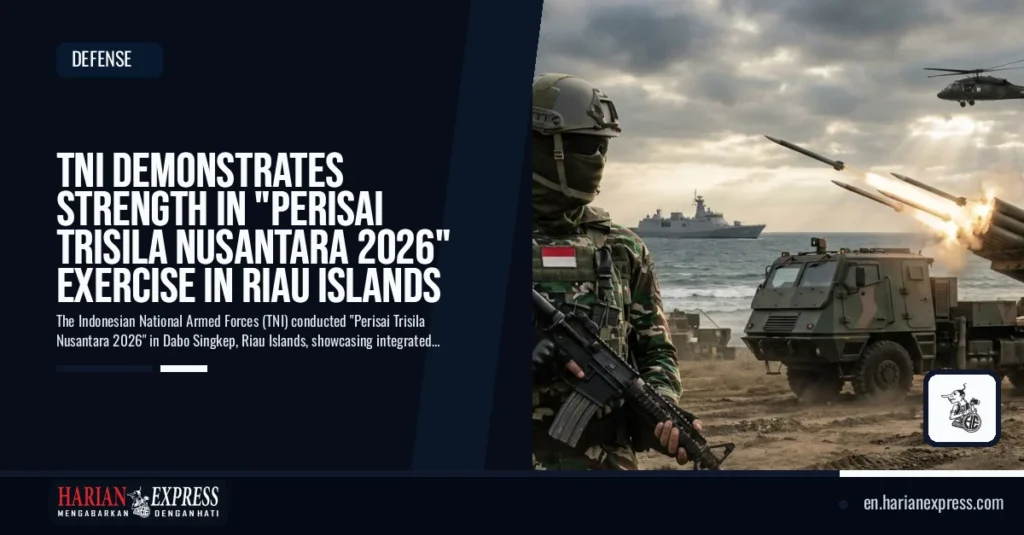
HARIANEXPRESS – In early August 2026, the Indonesian National Armed Forces (TNI) successfully concluded a large-scale integrated training exercise named “Perisai Trisila Nusantara 2026” (Nusantara Trisila Shield 2026). The significant maneuver took place along Todak Beach in Dabo Singkep, Riau Islands, serving as a powerful strategic message for regional security stability.
This exercise underscored Indonesia’s robust defense capabilities, particularly in the critical North Natuna Sea region. It involved an impressive 12,987 personnel from various branches of the TNI, highlighting the interoperability that has become a core doctrine for the armed forces and demonstrating a tangible deterrence effect.
Perisai Trisila Nusantara 2026: A Display of TNI’s Strength
The commencement of “Perisai Trisila Nusantara 2026” was marked by the dust and thunder of explosions on Todak Beach in Dabo Singkep. This combat orchestra engaged 12,987 cross-service personnel from the TNI, showcasing the deep-seated interoperability among the forces.
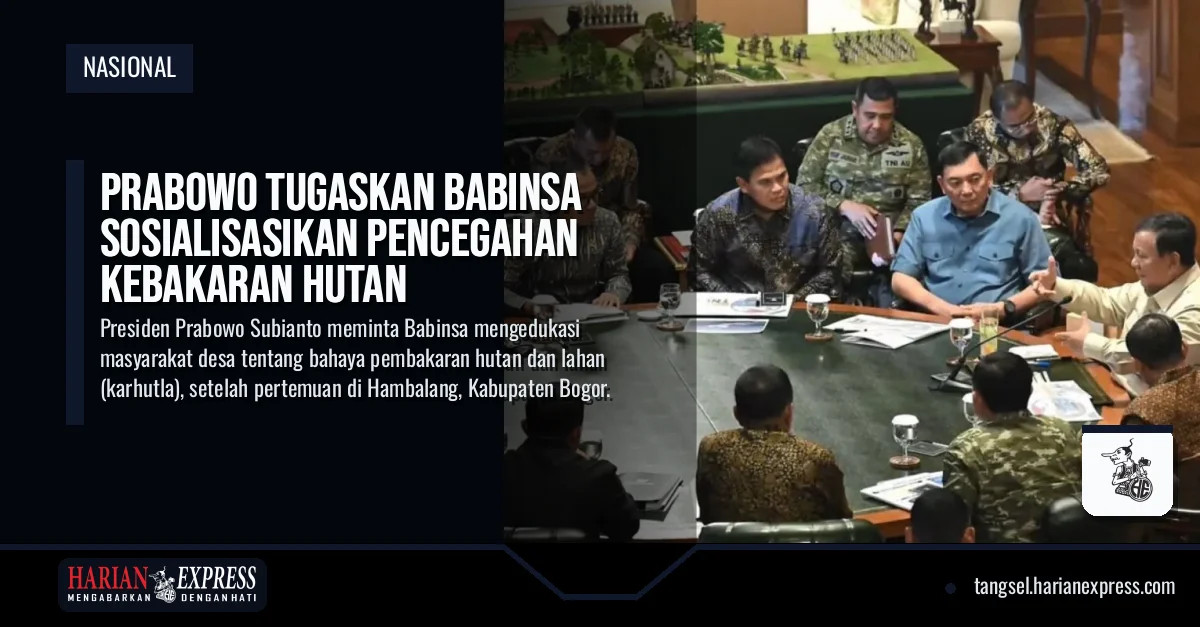
The urgency of this political-defense maneuver was underscored by the presence of numerous high-ranking officials. Among those attending were the Minister of Defense of Indonesia, Sjafrie Sjamsoeddin; TNI Commander General TNI Agus Subiyanto; Deputy TNI Commander General TNI Tandyo Budi Revita; Air Force Chief of Staff Marshal TNI M. Tonny Harjono; Chairman of Commission I of the House of Representatives (DPR RI) Utut Adianto; and the Chiefs of Staff of the Army and Navy.
Precise Ground Force Preparations from Cilodong
The successful field operations in Dabo Singkep were a direct result of rigorous preparations conducted at command headquarters, specifically in Cilodong. On July 29, 2026, Pangkogabwilhan I (Commander of Joint Regional Defense Command I) Letjen TNI Kunto Arief Wibowo, accompanied by Pangdivif 1 Kostrad (Commander of 1st Infantry Division Kostrad) Mayjen TNI Ahmad Fikri Musmar, inspected the Infantry Battalion (Yonif) Para Raider 328/Dirgahayu.
This inspection was crucial to ensure that the Ground Training for Tactical Parachute Jumps (Juntis) and the preparations for the Air Dropped Operation Front Group (KDOL) met the highest standards. The KDOL unit is considered the “eyes and ears” of the Commander, as any failure on their part could cripple the entire air-dropped operation chain.
The high standards of readiness reviewed included validating individual tactical procedures for high-risk infiltration scenarios. It also involved technical inspections of materials and equipment to ensure zero failure, along with tactical integration between ground and air elements.
Airborne Spearhead: KDOL Operations by Yonif Para Raider 328/Dirgahayu
During the infiltration phase, the silent dawn atmosphere in Dabo Singkep was broken by the roar of a CN-235 aircraft from Air Squadron 27 Biak. From the belly of the aircraft, sovereignty guardians performed freefall jumps at predetermined points.
This infiltration involved precise synergy between 12 personnel from Yonif Para Raider 328 Kostrad and 13 personnel from Dalpur Denmatra 2 Korpasgat TNI AU. Their vital tasks included securing the Drop Zone (DZ), conducting clandestine terrain observation, and providing real-time target intelligence data.
“KDOL infiltration is a manifestation of courage and timeliness. The synergy between Kostrad and Korpasgat at the landing point is the key that opens the door for the entry of the main TNI forces to reclaim land sovereignty from the enemy’s hands.”
The use of transport aircraft like the CN-235 and the logistical support of Hercules C-130 aircraft ensured the rapid and silent mobilization of ground forces into outlying areas, preventing the enemy from realizing their position was compromised.
Ground Dominance: Artillery Integration and Modern MLRS Technology
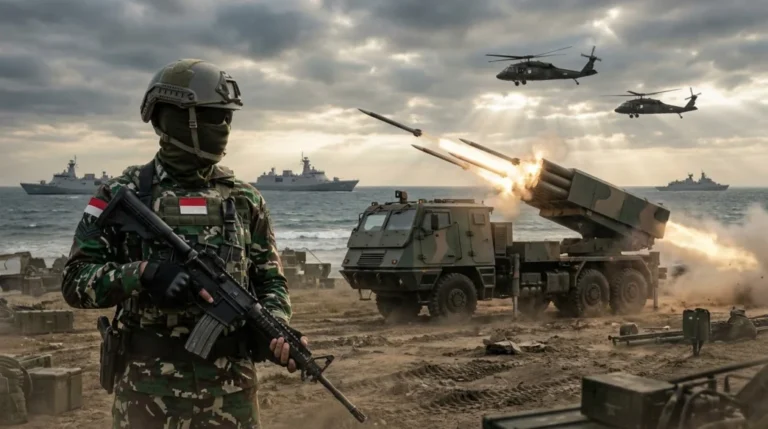
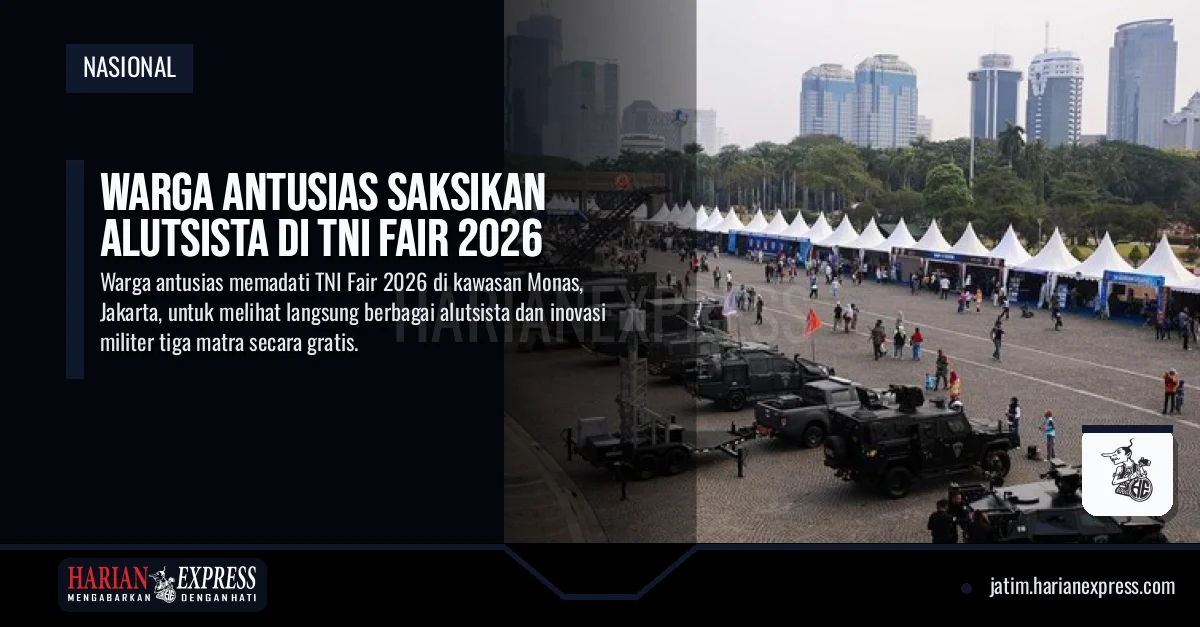
Following the securing of airfields and airspace, TNI Army ground elements swiftly applied massive pressure to neutralize remaining enemy forces. In Dabo Singkep, this dominance was demonstrated through the deployment of heavy main weapon systems (alutsista) which significantly enhanced the lethality of the combined forces.
The utilization of modern rocket systems and combat reconnaissance drones reflected the TNI Army’s evolving doctrine towards data-driven warfare. The deployed alutsista included:
- MLRS Rocket Systems: Used for massive area attacks to paralyze enemy troop concentrations on the frontline.
- Field Artillery (Armed): Provided precise long-range fire support to destroy enemy defense installations.
- Combat Reconnaissance Drones: Enabled accurate target acquisition and precision engagement from the air without risking personnel.
- Tactical Combat Vehicles: Ensured rapid infantry mobility for mopping-up operations after artillery strikes.
- Air Defense Missiles (Arhanud): Established static and dynamic air umbrellas to protect the movement of ground forces.
These ground forces were a self-contained defense anchor, integrated into a multi-domain coordination node involving simultaneous naval and air power.
Multidomain Synergy: Trisila Shield and Modern Cyber Warfare
“Perisai Trisila Nusantara 2026” showcased the complex face of asymmetric and modern warfare. The trimatra (three-dimensional) interoperability was reinforced by the deployment of six Indonesian Navy warships (KRI) from Koarmada II. These included KRI RE Martadinata-331 and the medical support ship KRI dr. Soeharso-990.
The skies over Dabo Singkep were dominated by maneuvers of Rafale and F-16 fighter jets, which dropped MK-82 bombs. The most radical innovation was the involvement of non-physical elements and unmanned technology as force multipliers.
- Cyber Operations: The TNI Cyber Unit (Satsiber TNI) incapacitated enemy electricity and communication installations, creating a total blind spot before physical attacks.
- Strategic Air Attacks: TNI Air Force fighter jets engaged high-value targets to break enemy morale.
- Kamikaze USVs: Domestically produced AKM KI-50 unmanned surface vehicles autonomously destroyed enemy naval assets.
- Precision Missile Strikes: The firing of C-705 missiles by KRI Sampari-628 at land targets effectively ended enemy resistance on the coast.
Epilogue: Power Diplomacy and Uncompromising Sovereignty
Minister of Defense Sjafrie Sjamsoeddin affirmed that the 2026 defense revitalization was more than just procuring weapon systems; it represented a transformation in mentality and defense industry independence.
The successful use of domestically produced items, such as kamikaze drones and integrated missile systems, demonstrated Indonesia’s progression toward respected defense self-reliance. The exercise served as a form of accountability of the TNI to the Indonesian people, showcasing the professionalism of its soldiers in the field and guaranteeing the continued sovereignty of the Unitary State of the Republic of Indonesia in strategic territories.
With unwavering trimatra synergy and adaptive technological superiority, the TNI is committed to remaining the backbone of the nation’s defense, ensuring every inch of the archipelago remains under the Red and White banner.